
Is kitesurfing actually illegal?
“Kitesurfing is not globally illegal, but it can be illegal in specific places and at specific times of year. Summer beach bans, nature reserves, and maritime right of way rules catch travelling kiters every season. Know the rules for your spot before you pump up. The fine is never worth it.”
Is kitesurfing actually illegal anywhere in the world? You might think that because the ocean is vast and open, you can grab your board, pump up your gear, and ride wherever you find a decent breeze. The reality is more complicated and honestly a bit more annoying than that.
While flying a kite on a board is not a criminal offence in itself, doing it in the wrong place or at the wrong time can land you in genuine trouble with local coastal authorities. We all love the freedom of the water. But that freedom comes with a surprisingly thick rulebook. Getting chased out by an angry harbour master on a jet ski is a fantastic way to ruin a perfectly windy afternoon.
So let us go through the legal reality of our sport so you can keep your money for new gear instead of paying stupid beach fines to the local police.
So is kitesurfing actually illegal or not?
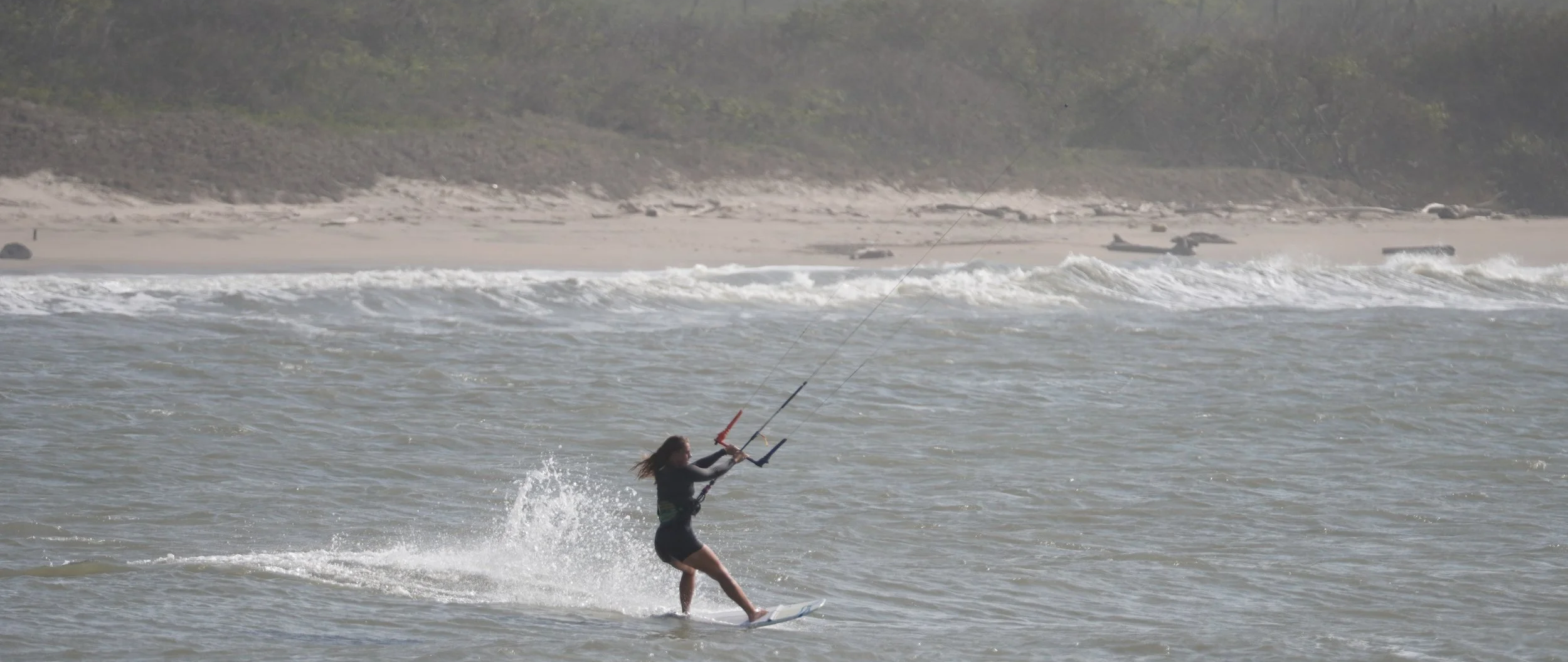
No. Kitesurfing is not globally or nationally outlawed anywhere. There is no supreme maritime council that has banned our sport from the face of the earth. It is a completely legitimate water sport enjoyed by hundreds of thousands of dedicated riders around the world.
However, asking whether kitesurfing is illegal is an excellent question for a non-windy day because the real answer is a highly nuanced mix of yes and no. It completely depends on exactly where you stand, what month it is, and who is watching you from the shoreline with a radar gun or a pair of binoculars.
The sport exists in a highly complex legal grey zone where aviation laws, maritime regulations, and local municipal codes violently collide. Because our kites fly up to twenty-five metres in the air and our boards travel at highway speeds across the water, authorities treat us very differently than standard swimmers or regular surfers. We occupy a huge amount of spatial area both in the sky and on the surface, and that area is heavily contested by beach crowds and local governments alike. You cannot simply ignore the fact that you are flying a massive piece of fabric with a lot of tension in highly populated areas.
Here are the factors that complicate our legal status on the water:
Aviation limits: your kite flies high enough to interfere with low-flying objects
Vessel classification: you are technically operating a vessel under sail
Spatial footprint: we require a massive amount of empty space to ride safely
Speed limits: kiters travel significantly faster than swimmers or paddleboards
Why do beaches ban kitesurfing in summer?
The most common restrictions you will encounter are local municipal bans. During the peak summer months, popular holiday destinations become absolutely packed with tourists, sunbathers, and very confident swimmers. Local governments quickly realised that a sharp board travelling at thirty knots does not mix well with a toddler floating on a pink inflatable flamingo.
As a result, many beaches enforce strict seasonal bans. For example, across many famous coastal spots in Spain, France, and Italy, kitesurfing is strictly prohibited within three hundred metres of the shore between June and September. You can only launch from highly specific, regulated kite channels. If you stray outside these narrow lanes, lifeguards will call the police, and you will face a hefty fine on the spot.
The practical takeaway: if you are heading to a well-known holiday beach in summer, assume restrictions exist until you have confirmed otherwise. Always check with a local kite school before you rig up. They know exactly where the lines are drawn.
Seasonal closures: many beaches close entirely to kitesurfing during peak summer months
Kite channels: you must launch and land only within designated marked zones
Distance rules: staying fifty hundred metres from the shoreline is often mandatory in southern Europe
Fines are issued on the spot, not after a warning
What counts as a protected zone and why does it matter?
Another major factor is wildlife conservation. Many premium kite spots are located near highly sensitive ecosystems or protected nature preserves. Local authorities frequently close access to protect nesting shorebirds or migrating marine life. In parts of the Netherlands and the Outer Banks in the United States, certain lagoons are completely off limits during specific months to protect local animal populations from being spooked by huge flying kites.
Before heading to a new spot, checking the local maritime laws is absolutely critical to avoid expensive citations. A quick message to a local school or a look at the beach authority website takes five minutes. Getting escorted off the water by a conservation warden takes considerably longer.
Bird nesting: nature reserves often ban flying kites during the spring and early summer breeding season
Marine protected areas may ban all watercraft during certain months
Some lagoons are closed year-round to kitesurfing regardless of season
Restrictions are actively enforced and fines apply
What are the right of way rules on the water?
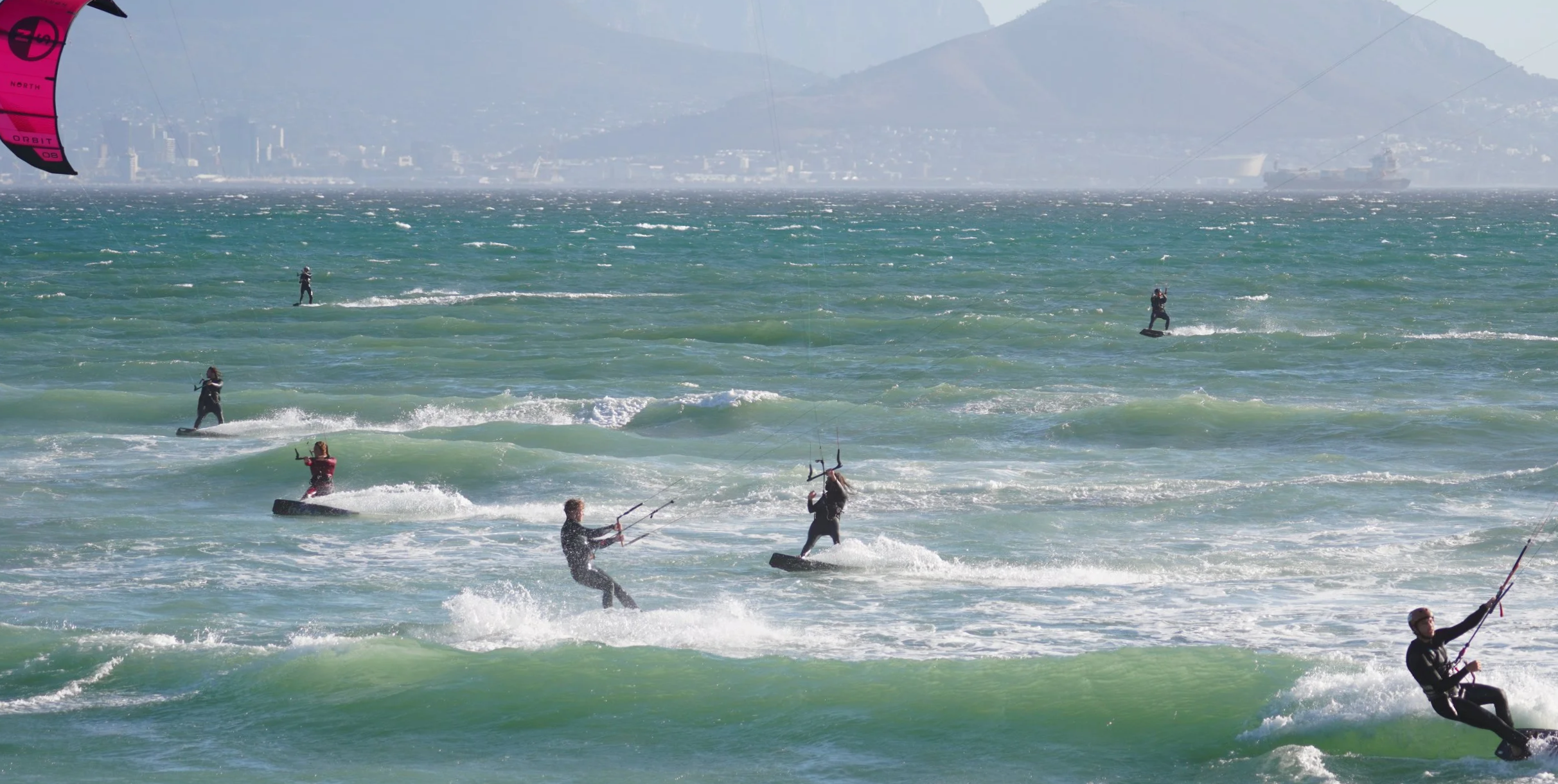
When you are out on the water, you are not just a person playing with an expensive toy. Technically and legally, you are operating a vessel under sail. This means you are legally bound by international maritime laws. If you do not know these rules, you are a massive liability, and harbour masters can cite you for reckless operation.
The most critical rule you need to master is the right of way system. When two kitesurfers are on opposing courses, the rider on the starboard tack has the right of way. That means if your right hand is forward on the control bar, you get to hold your current course. The rider on the port tack, with their left hand forward, must yield, fly their kite low, and change course to let the other pass safely.
Furthermore, motorised vessels, massive commercial ships, and stationary swimmers always have the absolute right of way over you. You cannot simply cut across a busy shipping lane or buzz past a fishing boat and expect everyone to smile and wave at you. If you cause an accident in a busy harbour, you will face the exact same legal and financial penalties as a reckless jet ski operator.
For global regulations and structured training guidelines, consult the official VDWS rules and rights to stay fully informed and keep your sessions strictly inside legal boundaries.
Starboard tack: right hand forward means you hold your current course
Port tack: left hand forward means you must yield and fly your kite low
Commercial ships: massive boats always win, stay far out of their way
Swimmers first: anyone in the water without a board has the absolute right of way
What gets kiters fined most often?
Most riders who get into trouble with beach authorities do not do it maliciously. They do it out of pure ignorance or laziness. One of the biggest mistakes intermediates and pros make is rigging their lines directly across busy public walking paths. A set of four twenty-two metre lines stretched across a beach is practically an invisible tripwire for innocent beachgoers. If a pedestrian trips over your lines and breaks a wrist, you are legally liable for their medical bills and can face criminal negligence charges in court.
Another major error is completely ignoring local warning flags. If a beach displays a red flag due to dangerous shore breaks, heavy pollution, or active military exercises, staying in the water is a direct violation of local laws. It is incredibly important to be aware of your surroundings before you even pump up your kite.
To read more about keeping a good vibe on the beach and not being that one annoying person everyone complains about to the lifeguards: unspoken rules of kitesurfing etiquette.
Rigging sloppy lines: leaving lines across public paths creates a major tripping hazard and legal liability
Ignoring red flags: local lifeguards deploy these warnings for highly valid safety reasons
Launching in crowds: a rogue kite can easily crash into sunbathers and cause severe injuries
Riding in swimming zones: staying within the designated buoy lines guarantees a police citation
Kiting in nature areas: flying a kite in a protected bird sanctuary is illegal and actively enforced
Does your gear choice actually help you stay legal?
If you are riding in a highly regulated area, your gear choices can actually help you stay compliant and avoid unwanted attention from the beach marshal. First, consider your line lengths. While standard twenty-two metre lines are great for general riding, switching to short eighteen metre lines can truly save your session in tight launch zones. Short lines drastically reduce your overall aerial footprint, keeping you well away from nearby power lines or restricted coastal boundaries. Next, think about your visibility. Flying a bright neon kite makes it significantly easier for harbour authorities and lifeguards to track your position from a distance, proving that you are not trying to sneak into forbidden waters.
Finally, always carry a safety line cutter integrated directly into your harness. If you accidentally tangle with a fishing structure or a marker buoy, cutting yourself free quickly can prevent a major maritime incident. Safety equipment is not just an optional luxury; it is a strict legal requirement in many heavily policed marine parks where a certified buoyancy aid must be worn at all times.
Shorten your lines: eighteen metre lines reduce your flying footprint in tight or restricted spaces
Bright canopy colours: neon kites help the lifeguards track you and confirm you are in the correct zone
Hook knife access: keep a line cutter handy to free yourself from illegal fishing nets or buoys
Impact vests: wear a certified buoyancy aid in strict marine parks where it is a legal requirement
How to protect access for everyone
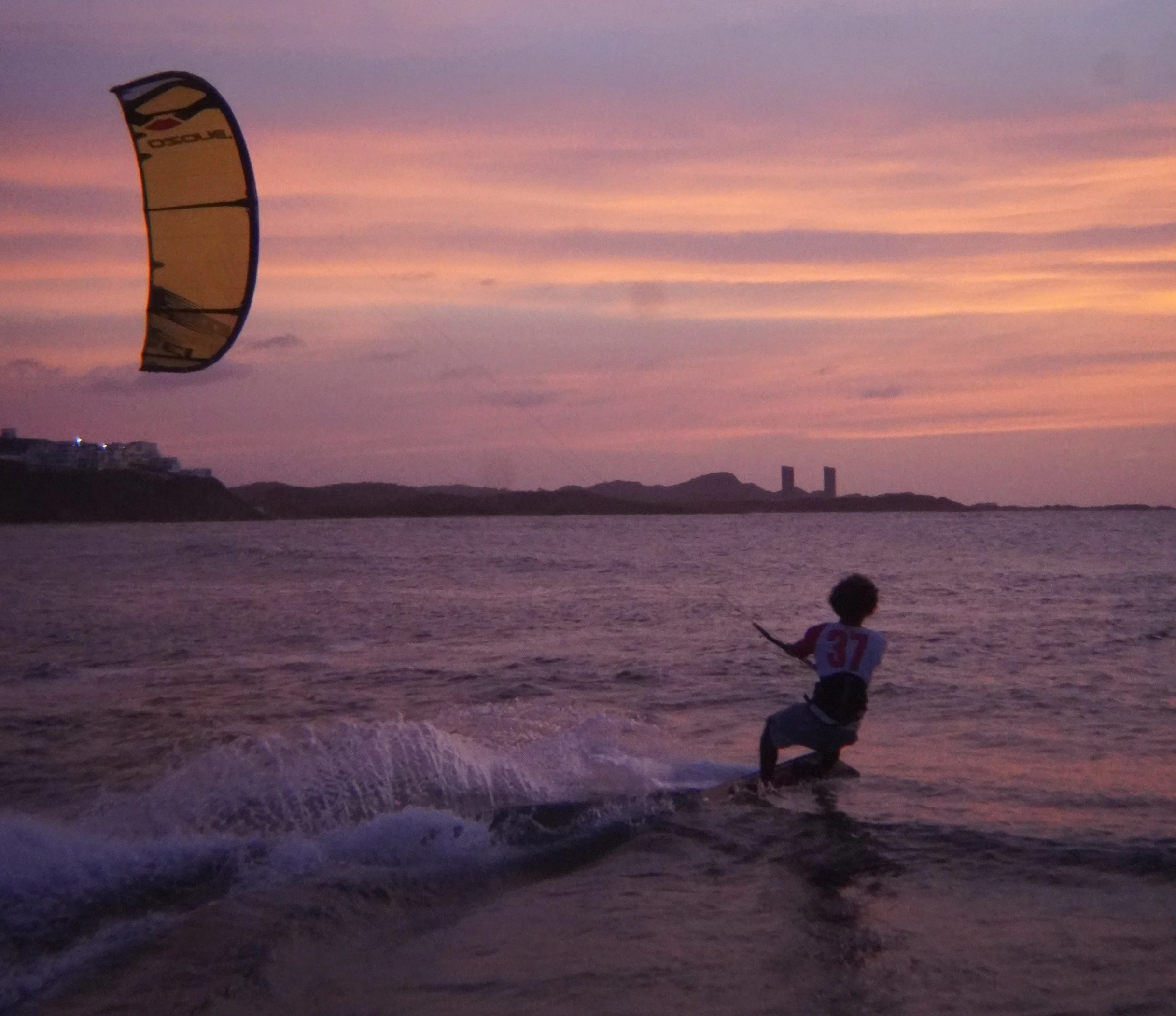
Staying legal while kitesurfing is not about sucking the fun out of the sport. It is about preserving access for the entire community. Every single time a reckless kiter cuts off a ferry, panics a flock of endangered birds, or clips a swimmer, local councils use that specific incident as heavy ammunition to ban the sport entirely from that region. These bans are very difficult to reverse once they are in place.
We have to be smart ambassadors for kitesurfing. Before you head out to a new spot, always do your homework. Check the local beach notice boards, speak to the local school owners, and respect the boundaries of the designated zone. Keep your sessions clean, respect the beach guards, use common sense, and protect our collective access to the open water.
At least if you get arrested for kitesurfing, your mugshot will feature a truly legendary wetsuit tan line.
xox Berito
Quick answers
-
Kitesurfing is not globally illegal, but local bans, seasonal restrictions, and protected nature zones can make it illegal in specific places at specific times. Always check the rules for your spot before you rig up.
-
Common bans apply to crowded holiday beaches in Spain, France, and Italy during summer (typically June to September), nature reserves with nesting birds, and marine protected areas. Rules vary by country, region, and time of year.
-
The rider on the starboard tack (right hand forward on the bar) has right of way and holds course. The rider on port tack must yield by flying their kite lower and changing direction. Commercial ships, motorised vessels, and swimmers always have priority over kitesurfers.
-
Yes. Riding inside swimming zones, ignoring red flags, or kiting in protected nature reserves can result in on-the-spot fines and in some areas gear confiscation. The fines vary by location but are always avoidable with five minutes of research beforehand.
-
Contact a local kite school near the spot. They know exactly where the designated zones are and what the current seasonal restrictions look like. Beach notice boards and local maritime authority websites also publish current rules.