
Why does your kite keep stalling?
“Backstalling and frontstalling are not broken gear, they are physics. A backstall happens when the bar is pulled in too far and the kite drops backward. A frontstall happens when the lines go slack and the kite drops forward. Both are fixable by adjusting bar pressure, trim, and line length.”
Welcome to the incredibly annoying world of backstalling and frontstalling. It is one of the most frustrating things that can happen to any kitesurfer, whether you are a beginner learning your first water starts or an absolute pro trying to land a complex trick. You feel completely helpless while your gear just refuses to cooperate and drags you awkwardly through the water. But here is the good news. Your kite is probably not broken, and you definitely do not need to throw it in the trash in a fit of rage. Stalling is a simple aerodynamic problem, and physics can easily be fixed.
Why does your kite backstall
Before we can fix the problem, we need a solid explanation of what is actually happening in the air. A backstall happens when the kite flies backwards deeper into the power zone instead of climbing up toward the edge of the wind window. This happens because the angle of attack is way too steep. When you pull the control bar all the way in towards your chest, you actively shorten the steering lines. This pulls the trailing edge of the kite down, which acts like a massive parachute brake. Instead of the air flowing smoothly over the top of the canopy to create upward lift, the air hits a steep wall of fabric, creates massive drag, and forces the kite to fly in reverse.
A very common mistake among riders is the infamous death grip. When kiters feel they are losing power in light wind, their natural panic instinct is to pull the bar closer to their body to generate more pull. Ironically, if the wind is already light, pulling the bar completely chokes the kite and guarantees an immediate backstall. You need to let the kite breathe to fly properly. Blaming the wind is a classic kiter move, but usually, it is just your technique or your gear begging for a tune up.
How to fix the backstall
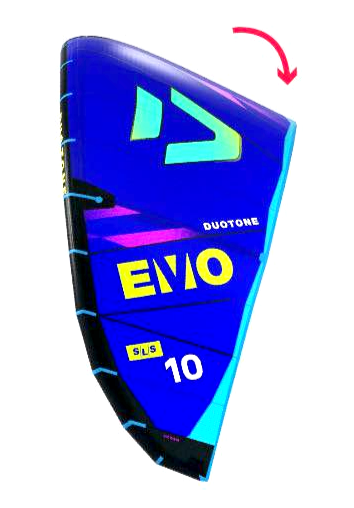
Fixing a backstall on the water is actually incredibly simple once you fight your natural panic instincts. When you feel the kite starting to drop backwards into the power zone, simply push the control bar away from your body. Pushing the bar lets the trailing edge rise back up, returning the kite to a healthy angle of attack so the air can flow over the canopy and it can catch the wind properly again.
However, if you find that you have to ride with your arms fully extended away from your body the entire session just to keep the kite flying forward, your gear needs a mechanical tweak. This is where your trim strap comes in handy. Pulling the trim strap effectively shortens your center lines. This changes the mechanical balance between the center lines and the steering lines, fixing the permanent backstall tendency immediately.
If you are struggling with the basic aerodynamics of how a kite flies and why pulling the trim works so well, check out how does a kite work to fully grasp the concepts of lift and drag.
The annoying frontstall
Frontstalling is the exact opposite problem and arguably much scarier to deal with. A frontstall happens when your kite flies too far forward to the absolute edge of the wind window, loses all line tension, and drops straight down like a dead bird falling out of the sky.
You look up and see the kite flying past the zenith, and there is nothing you can do but wait for the inevitable splash. This usually happens in highly gusty conditions or when you are riding towards your kite way too fast on your board. When a heavy gust hits, your kite naturally surges forward to the edge of the window. If that wind drops suddenly into a dead lull right after the gust, the heavy leading edge falls forward due to gravity because there is no wind pressure holding it back.
Another common gear mistake is over trimming your kite. If you pull your trim strap all the way in trying to survive heavy wind, you give the kite a very flat angle of attack. This makes it highly prone to shooting past the edge of the wind window and frontstalling the second the wind drops.

Preventing the front drop
Preventing a frontstall requires active flying and really good board control. The golden rule is to keep constant tension on your flying lines. If you feel the lines going slack, you must immediately sheet the bar in slightly or carve your board hard upwind to create apparent wind. Board control is your absolute best weapon here. By edging hard, you force tension back into the lines and pull the kite back into the power zone.
Also, you should actively avoid flying your kite at exactly twelve o’clock in highly gusty wind. At the zenith, a frontstalling kite will drop directly on top of your head, which is terrifying and incredibly dangerous because you can get tangled in the falling lines. Keep the kite at eleven or one o clock so if it drops, it falls safely to the side.
Tune your line lengths
Sometimes the stalling problem has absolutely nothing to do with your riding technique. It is entirely the fault of your gear. Kite lines stretch and shrink over time with heavy usage. Your center lines bear the brunt of the kite power and your body weight when you jump, so they tend to stretch much more than your steering lines. When your center lines stretch out, your steering lines become relatively shorter.
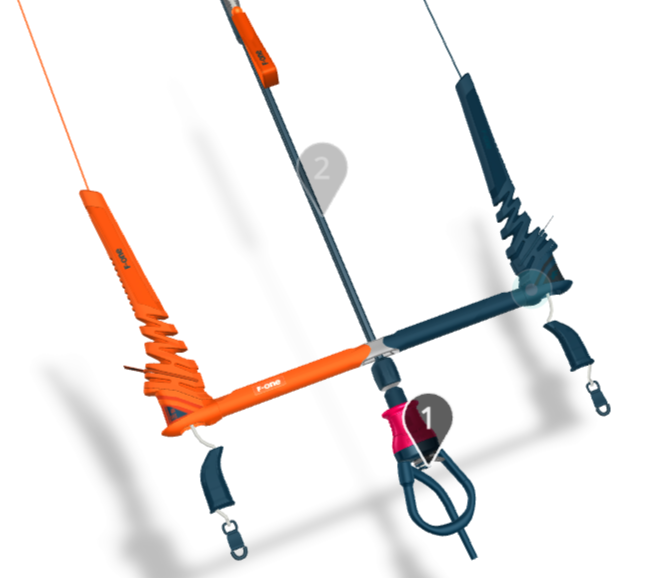
As we learned earlier, short steering lines cause a permanent backstall straight out of the bag. Short centerlines in comparison with your steering lines can cause more frontstalling. You should regularly tune your lines to prevent this. Find a solid post on the beach, attach all four lines, pull the bar completely in, and check if all lines have equal tension. If they do not, use the hidden pigtails under the floats on your bar to adjust the lengths back to perfectly even. Proper bar tuning prevents almost all mechanical stalling issues before you even hit the water.
Adjusting the kite pigtails
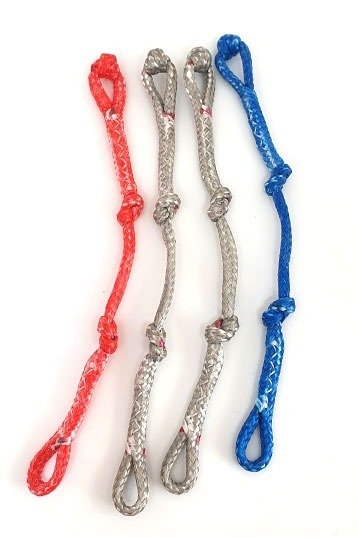
If your bar is tuned perfectly and your technique is solid but the kite still stalls, you need to look at the connections on the kite itself. The pigtails on your kite usually have multiple knots to attach your steering lines. These knots allow you to fine tune the turning speed and bar pressure. Moving your steering lines to a knot closer to the kite makes the lines relatively shorter, giving you more immediate turning power but massively increasing the backstall risk in light wind. Moving them to a knot further away lengthens the steering lines. If your kite is constantly backstalling, move your steering line connection to the knot furthest away from the kite canopy. This simple gear tip gives the trailing edge more room to breathe.
Here is a quick summary of the tweaks you can make to save your session:
Checking the wind: Always assess the wind speed
Pushing the bar: Instantly depowers the kite
Pulling the trim: Shortens the center lines
Tuning the pigtails: Fixes the steering tension
Edging the board: Creates vital apparent wind
Keep your kite flying high
Stalling is incredibly frustrating, but it is also one of the easiest problems to solve once you understand the basic physics of your gear. By taking the time to tune your lines, adjusting your pigtails, and learning to let the bar out instead of choking the kite, you will completely eliminate those awkward moments of falling backwards into the water. Go tune your bar and enjoy the smooth riding without the nasty surprises.
xox Berito
Quick answers
-
Pulling the bar in too far steepens the angle of attack. Instead of lift, the kite gets drag and flies backward into the power zone.
-
Push the bar away from your body. This restores the angle of attack so air flows over the canopy again.
-
Slack in the lines, usually from a gust followed by a lull. With no wind pressure, the heavy leading edge drops forward.
-
Keep tension on the lines. Sheet the bar in slightly or edge hard upwind the moment the lines go slack.
-
Stretched or uneven lines. Tune them regularly, and check the pigtail knots on the kite itself.