
Find the perfect kite for you
“Buy a kite that matches your actual skill level and riding style, not the one that looks best on the beach. Check aspect ratio for your discipline, confirm bar and line split compatibility before mixing brands, and test before you commit. Still stuck, our new kite finder quiz narrows it down to three picks in under a minute.”
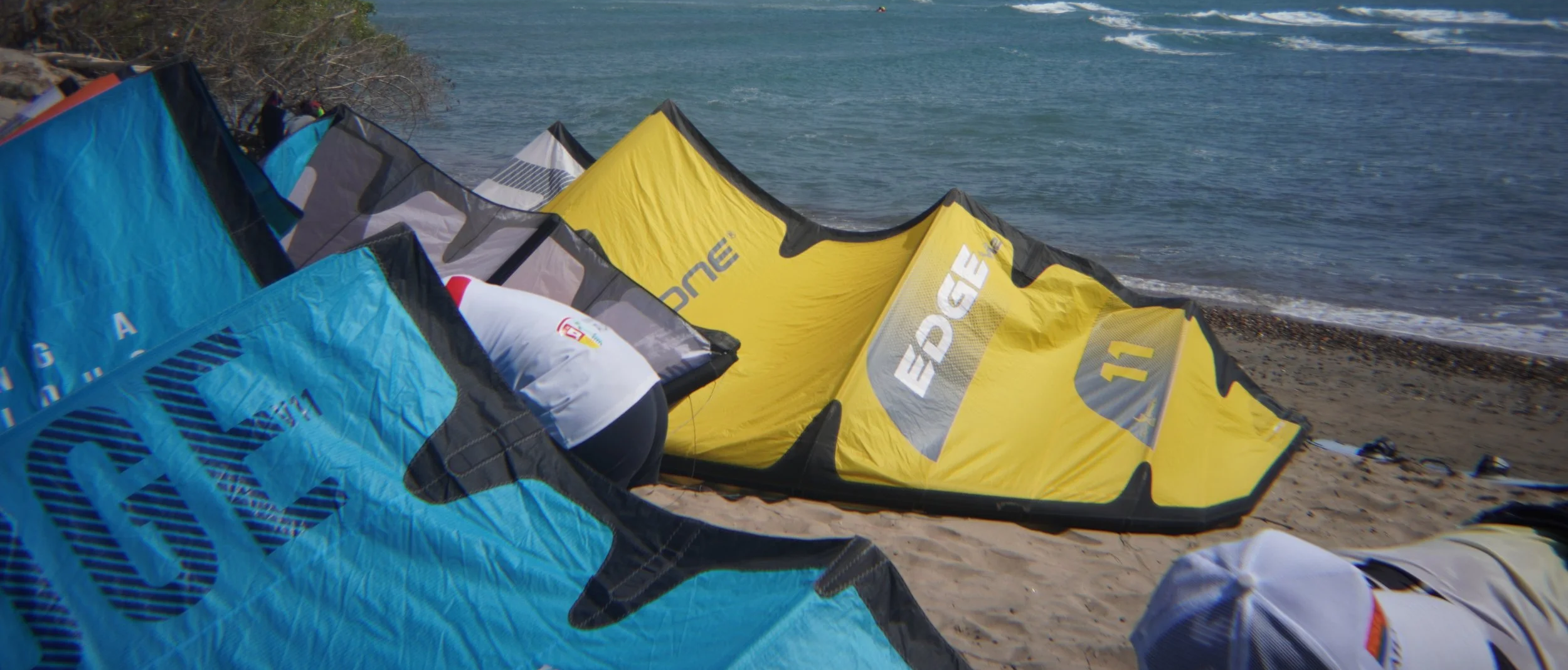
We all know that intoxicating sound of fresh canopy fabric unrolling on the sand. Someone nearby pumps up a kite that has never touched saltwater, and suddenly your own trusty gear looks a little sad and tired. Buying a new kite is one of the most exciting milestones in your kitesurfing journey, and also one of the more nerve wracking financial decisions you will make this year.
The market is flooded with shapes, sizes, technical jargon, and marketing campaigns promising that one specific model will instantly add ten metres to your jumps. I have stood exactly where you are standing now, staring at a wall of colourful gear and wondering how to make a logical choice without regretting it three sessions later. So let us break down the buying process from start to finish, the technical details actually worth caring about, and a brand new tool that makes the whole thing a lot easier.
Why do you actually want a new kite?
The honest answer matters more than the kite itself. If your current gear is outdated, poorly maintained, or genuinely holding your progression back, upgrading is a smart move. If you are just bored and want something pretty for your feed, it is worth pausing first.
The journey to buying a new kite usually starts with a small seed of doubt. Maybe your current kite has been repaired five times and now flies slightly to the left. Maybe you are stuck in a plateau and have convinced yourself new equipment is the cure. Modern kites really are more durable, with bigger depower ranges and easier water relaunches than gear from ten years ago, so if your equipment is the actual bottleneck, replacing it is reasonable.
But be careful with the opposite trap. A brand new advanced freestyle kite will not teach you how to edge properly or ride upwind. Be honest about your current skill level and what you actually want to achieve over the next two seasons before you open your wallet.
What riding style should decide your kite shape?
Your riding style, not your budget or your favourite Instagram account, should decide the shape of your next kite. Aspect ratio, the proportion between a kite's surface area and its wingspan, is the single most useful technical concept here.
High aspect ratio kites are long and skinny when laid out on the beach. They fly fast, sit near the edge of the wind window, and generate strong lift, which makes them dedicated big air machines. Low aspect ratio kites are short and stubby. They drift well, sit deeper in the wind window, and forgive a steering mistake, which makes them ideal for wave riding and for beginners still building confidence.
Big air: flat shapes with a high aspect ratio for maximum lift.
Wave riding: stubby shapes that drift and stay forgiving.
Freeride cruising: a hybrid shape for all round versatility.
Beginner progression: prioritise quick relaunch and a stable safety system over raw performance.
For the full breakdown of how these shapes actually behave on the water, read what's the difference between a big air, freeride, and wave kite before you shop.
Does kite brand actually matter for compatibility?
Socially, brand loyalty on the beach is mostly noise, you can absolutely mix and match gear across brands. Technically, though, you need to be careful, because the way your control bar connects to a new kite is not universal.
Most modern brands use a low split for their front flying lines, meaning the centre lines split close to the bar. Some major brands use a high split instead, where the lines separate higher up towards the canopy. Flying a kite built for a low split on a bar set up for a high split will distort the kite's shape and ruin how it flies. Pigtail connections and safety release systems can differ too, so this is not a corner to cut to save money.
For the full technical walkthrough on mixing brands safely, including line splits and safety releases, read can you mix and match kiteboarding brands. Always prioritise safety over matching aesthetics.
How do you actually test a kite before buying?
You would never buy a car without a test drive, and the same logic applies here. Reviews are a fine starting point, but wind conditions and personal riding style are subjective, what feels like a dream to one reviewer can feel sluggish in your hands.
The best move is attending local demo days hosted by surf shops, where brands let you try their latest models for free. When you do get your hands on a demo kite, put it through a real simulation of your normal session rather than a quick cruise back and forth.
Bar pressure: notice if it tires your arms out faster than your current kite.
Turning speed: steer aggressively and feel how quickly it reacts.
Water relaunch: drop it deliberately and check how easily it comes back up.
Safety release: make sure the quick release functions smoothly before you trust it.
Feel: this sounds weird but the feel is important, it does not have to make sense. You feel if you like or dislike a kite.
If there are no demo days near you, ask a local rider if you can borrow their gear for a single tack. Most kiters are generous about this, just return their bar neatly rolled up and do not put their gear anywhere near the sand at speed.
Should you buy new or go second hand?
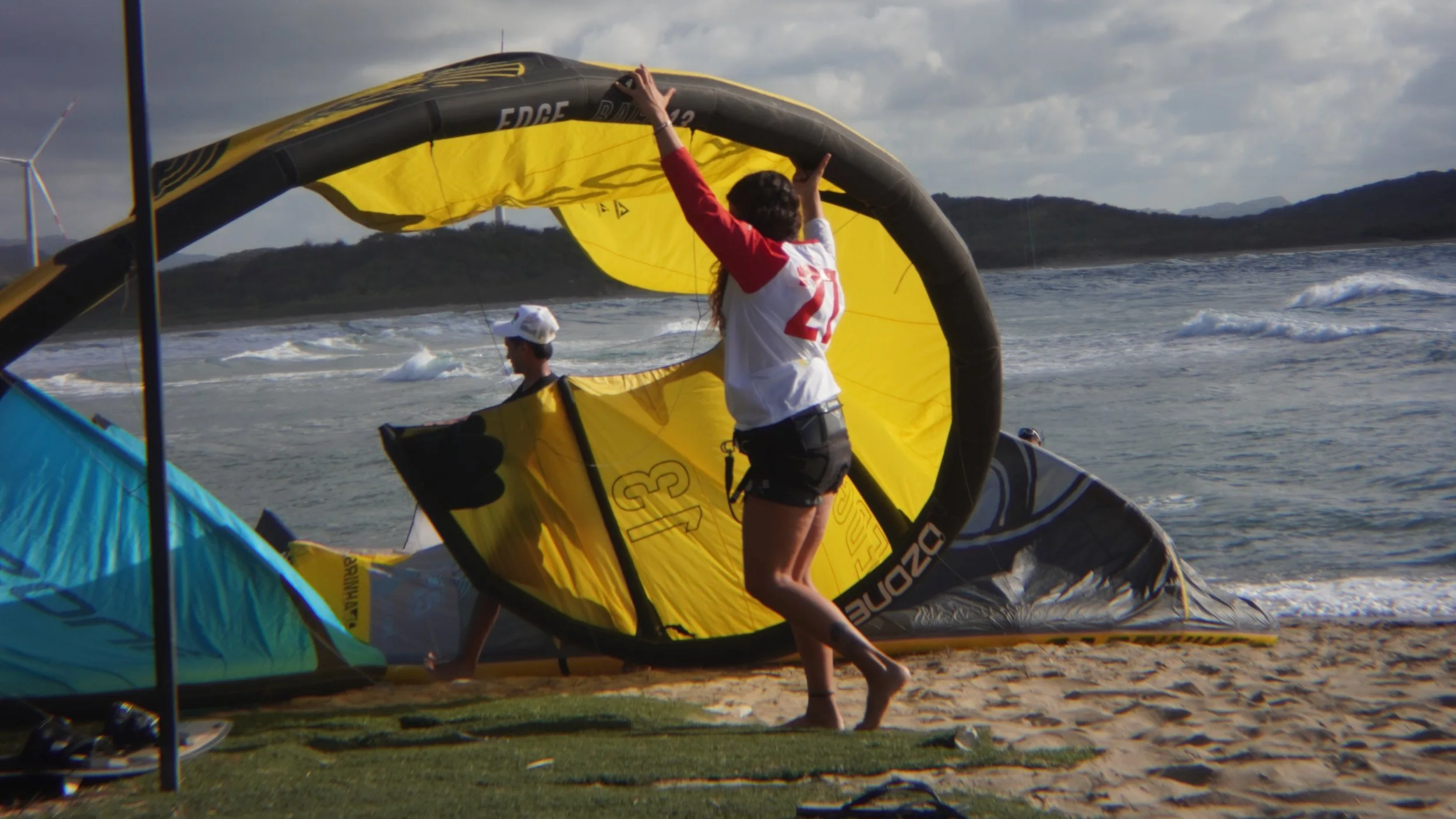
Buying new gives you a crisp canopy, zero hidden damage, the latest safety features, and a warranty if something goes wrong, but it is expensive. Buying used is a fantastic option on a budget, provided you know what to check.
A common beginner mistake is grabbing an ancient kite for a hundred euros because the price looks great. Those old designs are heavier, lack modern depower, and their safety systems are outdated by today's standards. Sticking to gear no more than four years old is a reasonable rule of thumb, but worth confirming against current depower and safety tech before publishing as a hard number. When inspecting a used kite, pump it up fully and leave it for thirty minutes to check for slow bladder leaks, and inspect the trailing edge closely since that fabric takes the most abuse from flapping.
What's the easiest way to narrow down your options?
Even with all this knowledge about aspect ratios, brand compatibility, and testing, narrowing fifty kite models down to one can still feel like finding a needle in a haystack. You want to spend your free time riding, not building spreadsheets.
That is why we just launched a brand new tool on the website: kite finder. Answer ten simple questions about your local wind, your riding style, your current skill level, and your goals, and the quiz gives you three specific kite recommendations to actually shop with. Go direct to the kite finder. Pull up the local wind history on Windy to answer the wind questions accurately before you start.
Time to upgrade your quiver
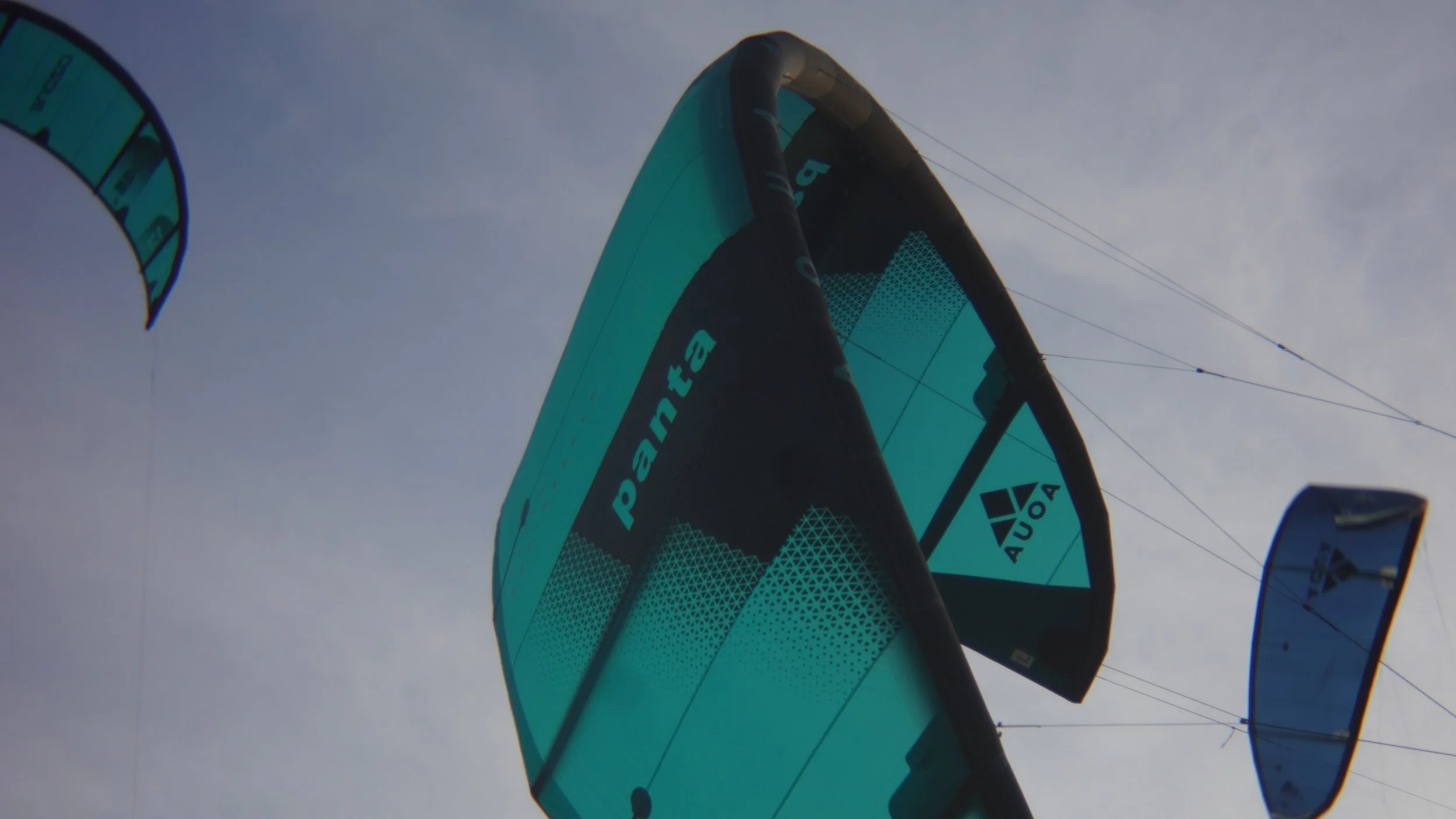
Buying a new kite should be exciting, not a source of anxiety. Understand the physics, test before you buy, and use the kite finder if you are stuck, and your money goes towards a kite you will actually love flying. The right gear builds confidence, forgives your messy mistakes, and pushes you toward the trick you have been daydreaming about all winter.
Just remember that buying the most expensive kite on the market will not stop you from swallowing saltwater.
xox Berito
Quick answers
-
It is the proportion between a kite's surface area and its wingspan. High aspect ratio kites are long and fast for big air, low aspect ratio kites are stubby and forgiving for waves and beginners.
-
Often yes, but check the line split first. A kite built for a low split will not fly correctly on a bar set up for a high split.
-
As a general guide, stick to gear no more than a few years old so you get modern depower and safety systems. Always pump it up and check for slow leaks before buying.
-
A ten question tool on the Berito site that matches your wind, skill level, and goals to three specific kite recommendations.
-
Usually yes. Freeride shapes are versatile and forgiving while you figure out your actual riding style.
-
Pump it up fully and leave it for thirty minutes. If it noticeably softens, there is a leak somewhere in the bladder.