
Gafanha da Nazaré, my kite secret
“Gafanha da Nazare is the kite spot Portugal keeps hidden behind Guincho and Viana do Castelo, an hour south of Porto near Aveiro. A reliable afternoon thermal kicks in after lunch and holds from May to October, no lucky forecast needed. Bring a car, learn the tide, and the empty lagoon further upriver becomes the real reward.”
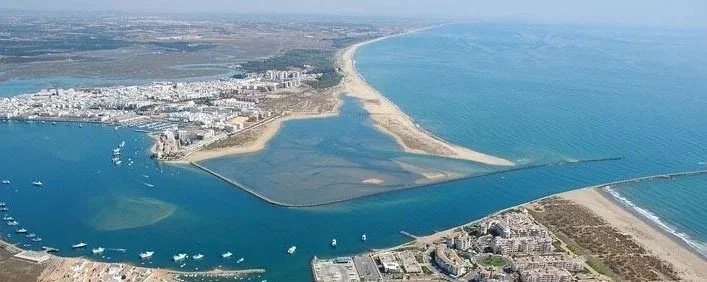
Every kitesurfer planning a Portugal trip ends up looking at the same spots. Guincho, with its washing machine waves and a crowd that treats the beach like rush hour. Viana do Castelo, reliably windy and reliably packed. Both deserve their reputation. But I spent a month kitesurfing Gafanha da Nazare, an hour south of Porto, next to a small canal city called Aveiro that most tourists skip entirely.
Nobody tells you about this place, and once you have ridden it, you understand why the locals are in no hurry to change that.
Where is Gafanha da Nazaré, exactly?
Gafanha da Nazaré sits right on the edge of the Ria de Aveiro, about an hour south of Porto and a short drive from Aveiro itself, which is worth a wander on your day off. It is not one beach. It is a stretch of coast where the Atlantic, a tidal river mouth, and a massive inland lagoon all sit within a few minutes of each other. I based myself here for a full month in May and never once got bored of the layout.
We all know the bigger spots in Portugal. Almost nobody drives the extra hour to Aveiro, which is exactly why this one stays quiet.
Why does the wind turn on after lunch?
This is not a spot where you sit refreshing the forecast and hoping. Gafanha da Nazaré runs on a thermal breeze, the kind that fires up reliably once the coast heats up and pulls wind in off the Atlantic. In practice that means mornings are usually calm and the wind kicks in after lunch, holding at 16 knots or more into the evening. That pattern runs from May through October, which is a long, dependable window by Portuguese standards.
You are not chasing a lucky day here. You are working around a schedule. If you want to understand how to read that kind of timing before you commit to a session, this blog will covers the basics.
Waves or flat water, why not both?
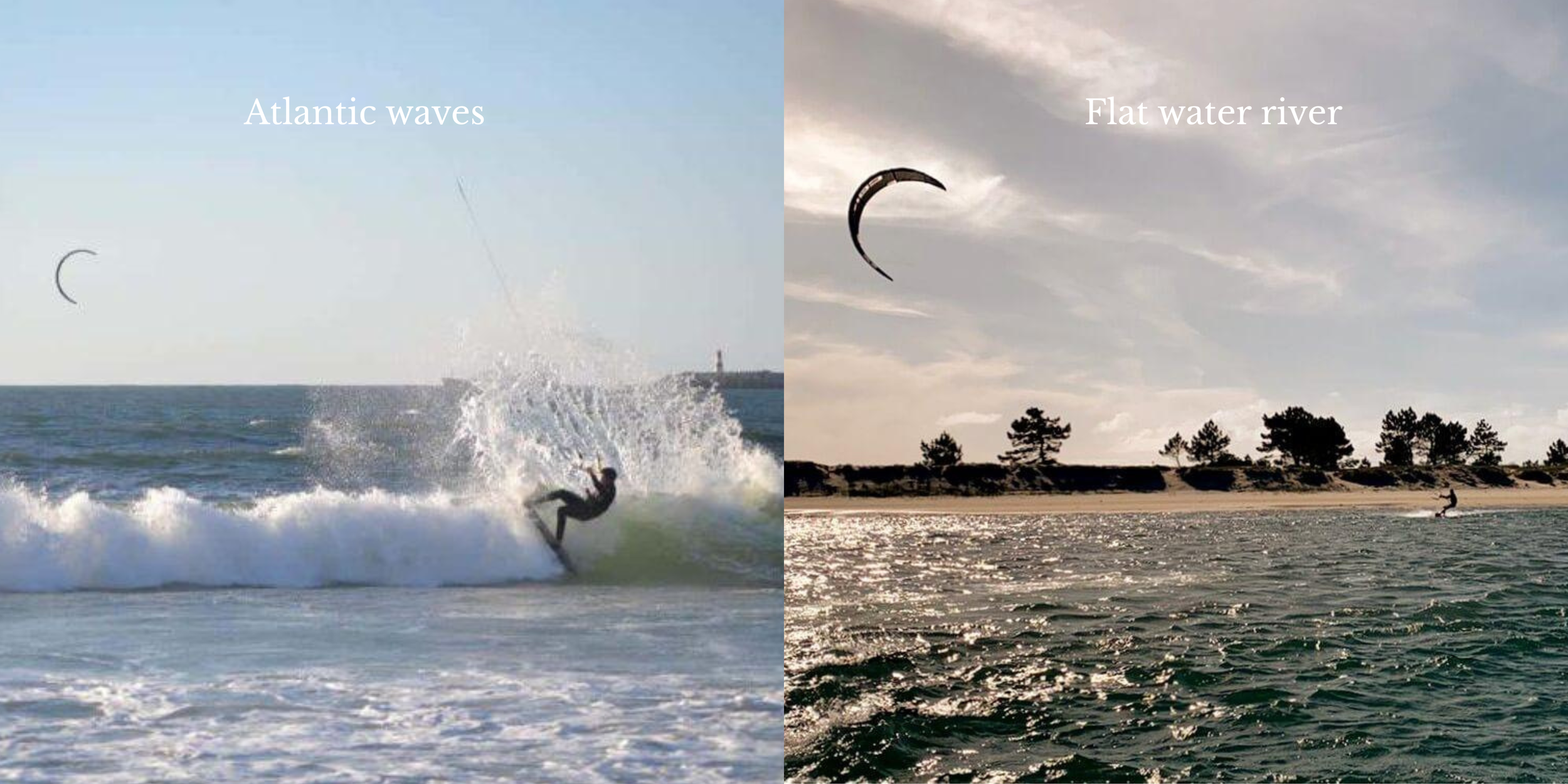
What makes this spot different from a normal beach break is that you get to choose your terrain without moving your car. On the Atlantic side you get clean, fun sized waves, nothing that punishes you, good for wave riding without the washing machine conditions Guincho is known for. Turn around and the river mouth near the Ponte de Praia da Barra bridge gives you flat water instead, shaped by the tide moving in and out. Sometimes the wind pushes stronger through this side too, but the big air crowd will be disappointed. This spot is not really about huge jumps.
If reading how the ocean and the wind line up matters to you here, wind, waves, and timing magic is worth a read before you go. And if you are more interested in the wave side specifically, predicting the swell without crying will save you some guesswork.
What is hiding further up the lagoon?
The part of Gafanha da Nazaré that actually earns the hidden gem label sits further up the Ria de Aveiro, past the river mouth, where the lagoon opens into a maze of small islands and channels. I rode out there a few times and saw nobody. Flat water, completely sheltered, and long enough to string together a proper downwind run.
The catch is that you cannot walk or drive to the good sandbars. You need a boat to get in. A local school like MyWay Kite & Surf runs supervised boat drops and downwinders through exactly this area, and honestly it is worth booking rather than trying to figure it out on your own.
When should you actually go?
May to October is your window, with the thermal at its most reliable through summer. I was there in May and had wind most afternoons. If you want fewer people on the water, aim for the shoulder months, May or September, rather than peak summer when the local scene fills in.
What do you need to know before you show up?
This is the part nobody tells you. Gafanha da Nazaré rewards local knowledge and mildly punishes people without it. The geography around the river mouth is a little strange, a mix of tidal channel, sandbank, and working harbour, and knowing where you are in the tide cycle changes what is comfortable and what is not.
Bring a car. There is no single parking lot that covers all three zones, and you want the flexibility to chase whichever part is working that afternoon. And if you want the lagoon, build a relationship with a local school rather than guessing. That is genuinely how people get access to the best water.
Who is this spot really for?
This is not a beginner's first kite trip. You get more out of it if you can already ride upwind confidently and want to add wave riding or long downwinders to your toolkit. It also rewards people willing to stay longer than a weekend. A month gave me time to learn the tide windows, meet the right people, and actually get out to the lagoon more than once.
It is also a amazing place to learn how to kite. Expecially the flat water spot near the Ponte de Praia da Barra bridge is amazing. You can stand in most places and with a steady breeze you’ll learn it in no time.
If you are the kind of kiter who wants Portugal without the Guincho crowd, this is where you go instead.
Gafanha da Nazaré will not show up on an influencer's Portugal highlight reel, and that is the whole point. Bring a car, learn the tide, and make a friend at a local school before you try to find the lagoon on your own. Get that right and you get a full month or more like I did, reliable afternoon wind, empty water, and a version of Portugal most kiters never bother finding.
xox Berito
Quick answers
-
May through October, with the most reliable afternoon thermal through the summer months.
-
Yes but it rewards riders who can already ride upwind and want to add wave or lagoon riding to their skills.
-
By boat. The best sandbars are not reachable on foot or by car, so book a supervised trip with a local school like MyWay Kite & Surf.
-
The afternoon thermal typically holds at 16 knots or more once it fills in, usually after lunch.
-
Yes. The three riding zones, ocean, river, and lagoon, are spread out enough that a car gives you the flexibility to chase whichever one is working.