
Salinas del Rey, still worth the trip
“Salinas del Rey is the GKA World Tour spot Colombia’s kite scene left behind, and that is exactly what makes it worth staying for. I spent four months here working remotely, riding an 8 meter kite most afternoons. The wind is steady, the community takes real effort to earn, and the small, tricky beach makes you work for every session.”
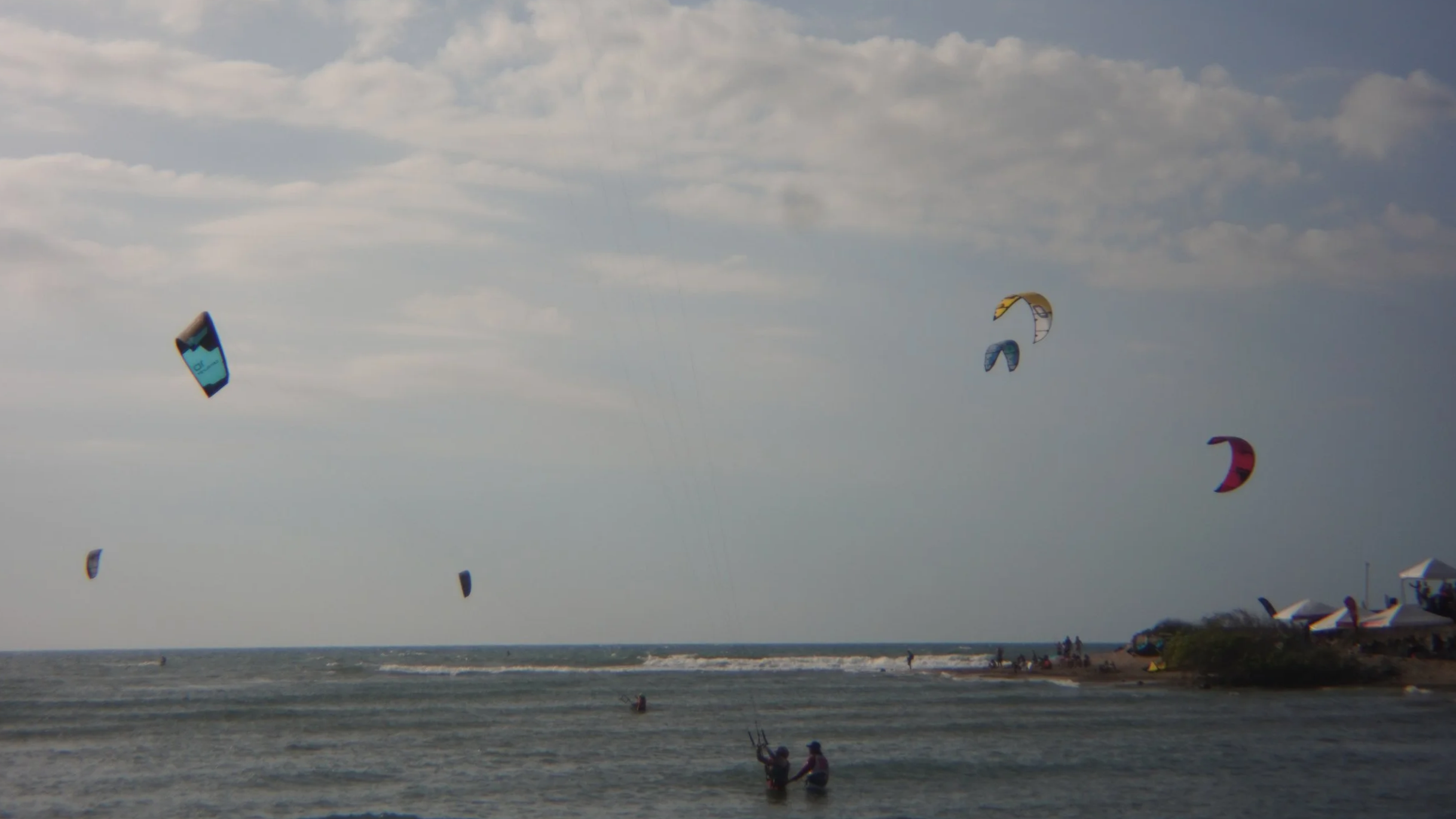
Every kitesurfer has stared at a travel guide, seen the postcard-perfect photos of Cabo de la Vela or Mayapo, and quietly wondered if there is an alternative that does not involve a grueling desert mission. You want consistent wind, a laptop connection that does not vanish mid call, and a spot that feels like a real community rather than a transient tourist strip. That is Salinas del Rey. Right next to the village of Santa Veronica, this spot hosted the GKA Kite World Tour in 2022 and 2023 before the professional circuit packed up and moved on to the next hyped destination.
What it left behind is a raw, steady wind machine that rewards riders willing to stay a while. I stayed four months, working remotely by day and kiting most afternoons, and it completely changed what I look for in a spot.
Where is Salinas del Rey and how do you get there?
Logistics here are a real win compared to the multi day transit the far north spots demand. Salinas del Rey sits comfortably between two hubs, so you can fly into Cartagena or Barranquilla, grab a taxi, and be unpacking your gear bags within an hour or two.
The spot itself is really two neighborhoods that blend into one coastline. Salinas is the kite-heavy strip right on the point, Santa Veronica is the actual village where the non-kiting locals live their day to day lives. Knowing that layout matters if you want to find the balance between beach access and the good empanada stalls.
Why did the GKA World Tour move on?
When a world class competition leaves a destination, people assume the spot broke down or the wind died. That is not what happened here. The tour does what tours do, it chases new media deals and different event setups, and Salinas del Rey stayed known within the industry while slipping off the mainstream radar.
While the crowds keep flocking to the safer, beginner-heavy flats further north, Salinas quietly went back to what it was before the flags went up, an active, tight knit village spot. The infrastructure built for the events is still there, but the real upgrade is that you are not fighting fifty other riders for a clean line.
What does the wind actually do here?
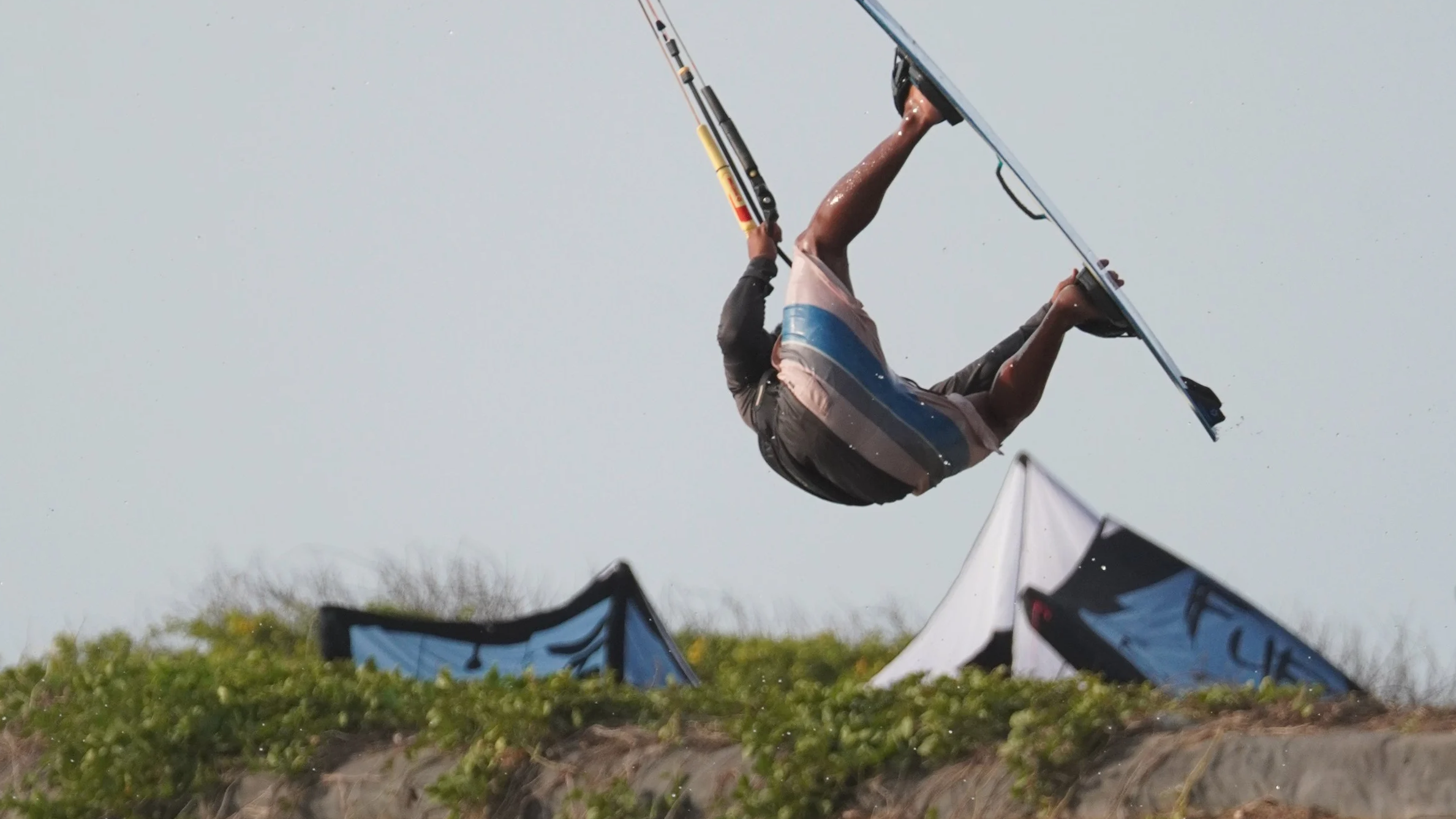
The wind rhythm here is remarkably steady, almost mechanical. In my four months I had maybe two weeks that were completely unrideable, the rest held on an 8 meter kite. The window fires heavily from January through April or May, which makes it a genuine dream if you want to stack consecutive days on the water.
The orientation takes some getting used to though. At the launch, the wind feels distinctly offshore, which will spike your heart rate if you are used to easy onshore beaches. The shape of the bay is your safety net here, the wind runs side shore relative to the curve of the bay, so if you crash hard or drop your kite, the drift pulls you back toward the beach rather than out to open water. It rewards tactical awareness over blind luck. If offshore feeling wind makes you nervous, what is it about gusty winds is a good primer before you rig up here.
Beach, lagoon, or harbour, what kind of spot is this?
Launching and landing at the main point can be a real headache if you show up unprepared. The beach footprint is small, and the nautical center built a few years back throws a wind shadow across part of the launch zone. The sand is a rugged reality check too, wood logs and rocks wash up constantly, especially around the point at low tide, and while the local schools do their best to clear the worst of it, this is not a manicured resort beach.
If you want a wider, emptier stretch with steadier side onshore wind, you can walk or body drag upwind of the bay to the open beach section. It is choppier and quieter, but the main point is where the real variety lives. Inside the same square kilometer you can hunt clean wave faces, work punchy flat water, or line up a long downwinder along the coast. You just have to actively manage your gear to keep your kite in the sky while you figure out the launch zone, that part is genuinely tricky.
How hard is it to break into the local scene?
If you are here for a two week holiday, treat it as exactly that, a holiday. Earning a place inside the local community takes real time and zero entitlement. Every kiter knows how annoying it is when outsiders swarm a beach and act like they own the water, and this crew is no different.
The language barrier is real. My Spanish was rough when I arrived, and English only gets you so far in the shops of Santa Veronica. Some people kept their distance at first. But show up consistently, help out, ask for a hand with your launch instead of demanding one, and keep your ego in check, and you get that same help back tenfold. Your kite is not a rental, and neither is the beach. Respecting that is the actual price of entry here.
Can beginners learn here?
You can learn here, but expect a steeper curve than a beginner-optimized lagoon like Langebaan. The beach break can be punchy, the wind shadows near the launch demand quick reflexes, and that initial offshore feeling at the point takes real mental composure to get comfortable with. If going upwind took me forever sounds like your current chapter, the chop upwind of the bay will test your patience further.
Local schools like Veronikites, SalinasKite, Salinas Sunset and Kite master school are attentive and genuinely want to help you through it, but read what really happens in kite lessons first so you know what to expect before you walk into the shorebreak.
When should you plan your trip?
Peak season lines up with the first few months of the year, January through April or May, when the Caribbean trade winds compress against the coast. If you want to time it right, book accommodation around October or November before the digital nomad spaces fill up.
The co-working infrastructure is surprisingly solid, with a few spaces built specifically for remote workers who kite. The power does occasionally take a break, but the dedicated co-working hubs run generators to keep your calls connected while the wind pumps outside. It is more remote than a city hub, but the community makes it work for anyone trading a desk routine for daily sessions.
The final beach check
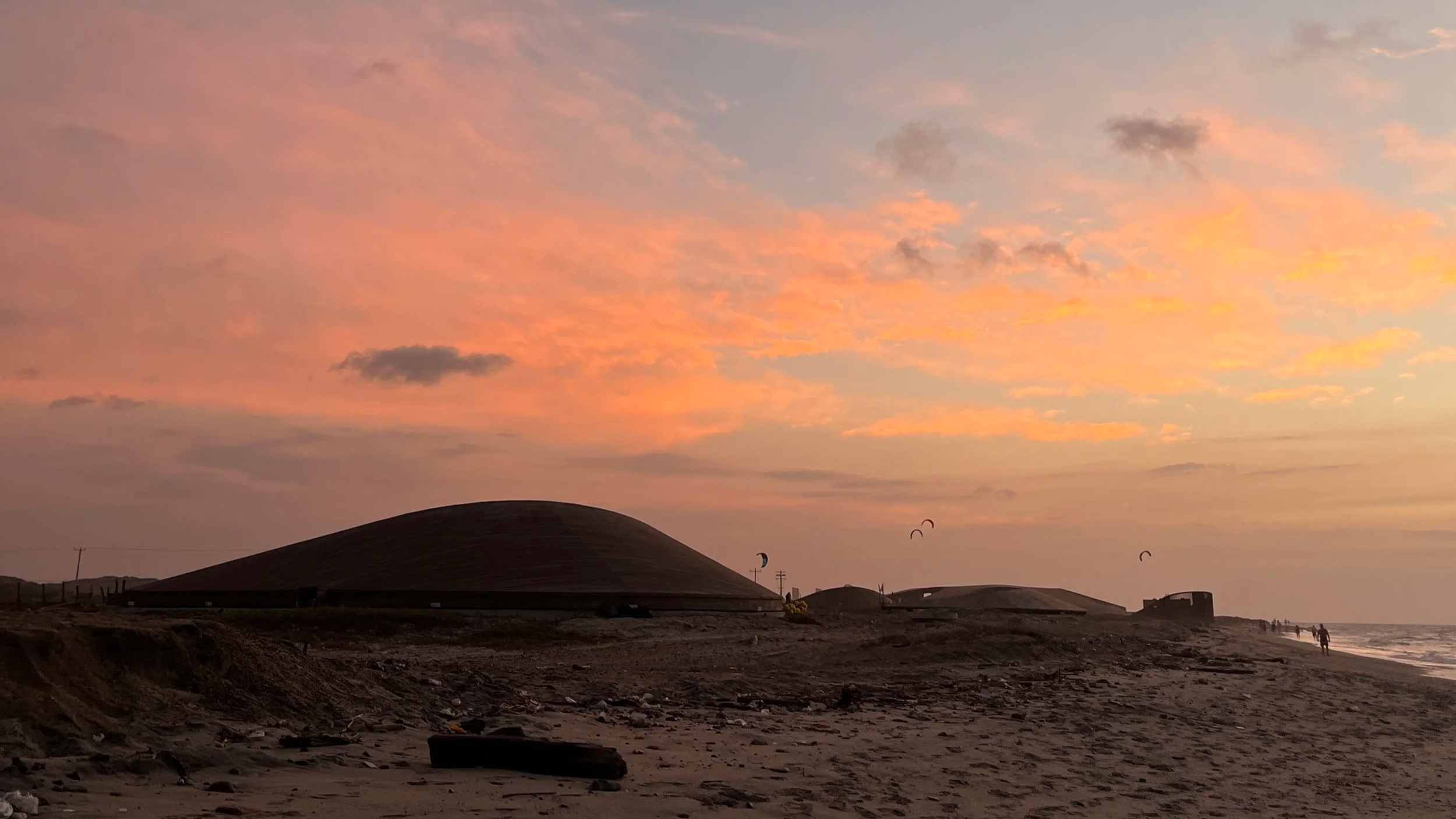
Four months in Salinas del Rey taught me that the best kite spots are the ones that ask something of you first, a bit of adaptation, some basic Spanish, and real respect for the local shoreline. Give it that and it gives you back a wind machine most of Colombia has forgotten about.
Just pack a few spare fin screws. The wood logs on that beach and the rocks in the water love collecting souvenirs from your board.
xox Berito
Quick answers
-
January through April or May, when the Caribbean trade winds are most consistent.
-
It is doable but not ideal. Expect a steeper learning curve than a beginner lagoon, and ride with a local instructor at first.
-
Fly into Cartagena or Barranquilla, both are within about an hour and a half by taxi.
-
The tour moved on to new locations, it was not because the spot or the wind declined.
-
Yes. There are co-working spaces built for kiters, with generators to cover the occasional power outage.